Creating a professional-looking video requires more than recording clips and adding simple effects.
A complete editing workflow combines:
Media Organization + Timeline Control + Creative Adjustments + Final Export
Modern video editors help creators transform raw footage into structured visual content through different editing stages.
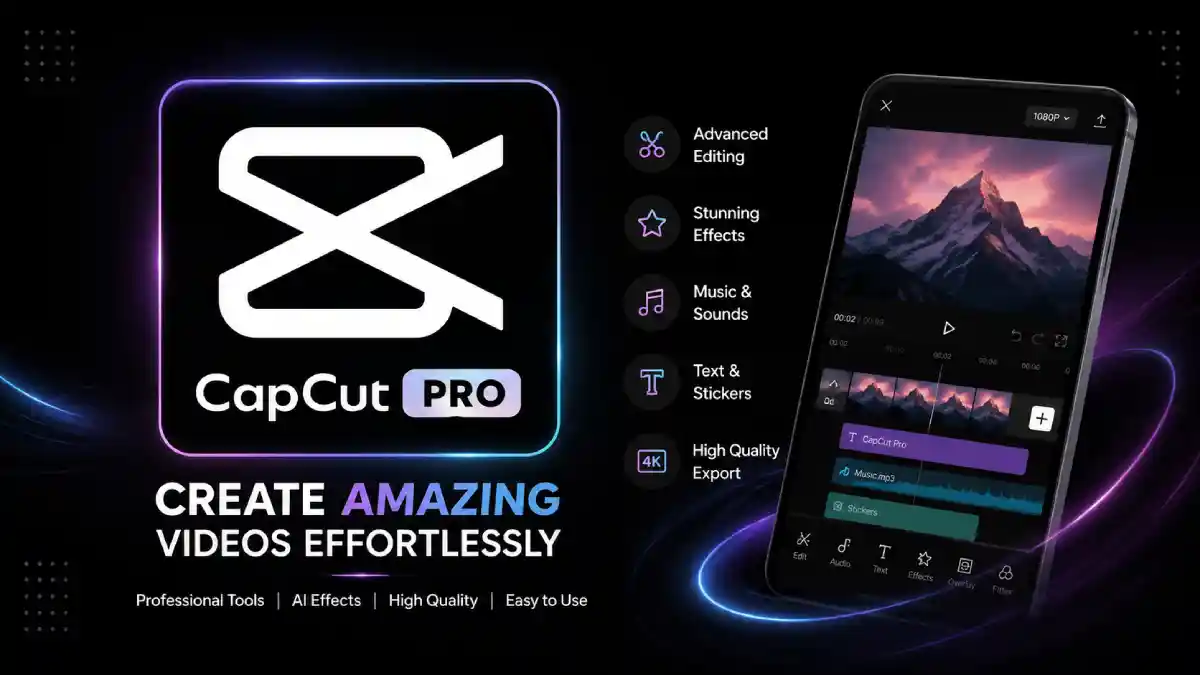
CapCut Pro APK provides an editing environment where users can manage:
- Video clips
- Images
- Audio tracks
- Text elements
- Effects
- Transitions
- Export settings
Many users exploring CapCut Pro 2027 are interested in understanding the complete editing process instead of only individual features.
Understanding The Video Editing Workflow
Every video project follows a structured process.
The complete workflow is:
Planning → Media Collection → Editing → Enhancement → Review → Export
Each stage contributes to the final quality of the video.
A good editing workflow helps creators maintain:
- Better organization
- Consistent style
- Clear storytelling
- Efficient production
Planning A Video Project
Before opening the editor, creators should understand the purpose of the video.
Important planning elements include:
- Target audience
- Video style
- Main message
- Publishing platform
Planning helps determine:
- Length
- Visual style
- Audio requirements
- Editing approach
Importing Media Files
The first practical editing stage is bringing content into the project.
Users can add:
- Recorded videos
- Photos
- Audio files
- Additional resources
Organized media management makes editing faster and easier.
The process is:
Original Files → Editing Workspace → Structured Project
Organizing Clips On The Timeline
The timeline is the central area where video elements are arranged.
Users can control:
- Clip order
- Duration
- Scene placement
- Layer position
A well-organized timeline improves:
- Editing accuracy
- Story flow
- Final presentation
Cutting And Trimming Video Clips
Raw recordings often contain unnecessary sections.
Editing tools allow creators to:
- Remove unwanted parts
- Shorten clips
- Split scenes
- Rearrange content
This creates a cleaner and more focused video.
Combining Multiple Video Clips
Creators often combine different recordings into one final sequence.
Multiple clips can represent:
- Different scenes
- Different locations
- Different moments
The editing process connects these clips into a complete story.
Adding Transitions Between Scenes
Transitions create smoother movement between different clips.
They help manage:
- Scene changes
- Visual flow
- Story progression
The correct transition depends on:
- Video style
- Content purpose
- Audience expectations
Adjusting Video Speed
Speed controls allow creators to change the timing of scenes.
Common uses include:
- Slow-motion effects
- Faster sequences
- Dramatic moments
Speed adjustments influence the emotional impact of the video.
Applying Visual Enhancements
After arranging the basic structure, creators can improve appearance using:
- Filters
- Effects
- Color adjustments
- Visual styles
Enhancement should support the content rather than distract from it.
For creative styles: CapCut Pro APK Templates Guide.
Adding Text And Captions
Text helps communicate additional information.
Common uses include:
- Titles
- Explanations
- Subtitles
- Important messages
Effective text placement improves viewer understanding.
Managing Audio Elements
Audio is a major part of the complete video experience.
Creators can manage:
- Background music
- Voice narration
- Sound effects
- Audio timing
The relationship is:
Visual Content + Audio Quality + Synchronization = Better Experience
Voiceover Editing
Voice narration helps creators explain information or tell stories.
It is commonly used for:
- Tutorials
- Reviews
- Educational videos
A good voiceover requires:
- Clear recording
- Proper timing
- Balanced volume
Music And Sound Effects
Background audio creates atmosphere and improves engagement.
Creators should consider:
- Volume balance
- Timing
- Content style
Music should complement the visuals.
Using AI Assistance During Editing
AI tools can support different editing tasks.
They may help with:
- Captions
- Enhancements
- Automated adjustments
- Creative suggestions
For detailed AI capabilities: CapCut Pro APK AI Tools Guide.
Reviewing The Final Project
Before exporting, creators should review:
- Clip arrangement
- Audio balance
- Text placement
- Effects
- Overall flow
A final review helps identify:
- Timing problems
- Missing elements
- Quality issues
Exporting The Completed Video
Exporting converts the project into a final video file.
Export quality depends on:
- Resolution
- Frame rate
- File size
- Device capability
For detailed export information: CapCut Pro APK Export Settings Guide.
Video Editing Workflow For Different Users
Different creators use different approaches.
Beginners
Beginners usually focus on:
- Basic cuts
- Simple effects
- Templates
- Quick exports
Professional Editors
They focus on:
- Detailed timeline control
- Complex projects
- Multiple layers
- High-quality output
Improving Editing Efficiency
Creators can improve workflow by:
- Organizing files before editing
- Using consistent styles
- Learning shortcuts
- Maintaining device performance
Device Performance During Editing
Editing performance depends on:
Hardware Capability + Project Complexity + Editing Features
Large projects with:
- High-resolution footage
- Multiple effects
- Many layers
require more resources.
For device compatibility: CapCut Pro APK Requirements Guide.
Common Video Editing Problems
Users may experience:
- Slow previews
- Export delays
- Missing files
- Performance issues
For solutions: CapCut Pro APK Troubleshooting Guide.
Frequently Asked Questions
What Is A Video Editing Workflow?
A video editing workflow is the complete process of transforming raw media into a finished video.
Can Beginners Follow Professional Editing Workflows?
Yes, beginners can start with simple steps and gradually learn advanced techniques.
Why Is Timeline Organization Important?
Timeline organization helps maintain better control over clips, audio, and visual elements.
Does Project Size Affect Editing Performance?
Yes, larger projects require more processing resources.
What Is The Final Step After Editing?
The final step is exporting the completed project into a shareable video format.
Conclusion
A structured editing workflow helps creators transform simple recordings into complete video experiences.
The process combines:
Media Organization + Timeline Editing + Creative Enhancements + Quality Export
Understanding each stage allows beginners and advanced creators to produce better videos with more efficient editing methods.
A successful project depends on:
Clear Planning + Proper Tools + Creative Decisions + Suitable Device Performance
Social Media Creators
They focus on: